Understanding Asbestos: History, Hidden Hazards, and Home Safety
The Industrial Rise of Asbestos
Asbestos is a naturally occurring mineral that was widely praised for its exceptional heat resistance and tensile strength. Throughout the twentieth century, global manufacturing pipelines integrated this mineral into thousands of standard building materials. Builders frequently mixed it into insulation products, ceiling textures, floor tiles, and structural pipe wraps.
Hidden Risks and Respiratory Dangers
The industrial appeal of the material faded sharply when medical researchers definitively linked microscopic asbestos fibers to severe, chronic respiratory illnesses. When these materials age or face physical disruption, they fracture into invisible, airborne particles. Inhaling these jagged fibers causes them to lodge permanently deep within fragile lung tissues.
Over decades of exposure, these trapped particles cause chronic internal inflammation and cellular scarring. This biological damage frequently develops into deadly conditions such as asbestosis, lung cancer, and aggressive mesothelioma. Because symptoms take decades to appear, identifying hidden environmental hazards early is absolutely critical for long-term health protection.
Where Asbestos Hides in Modern Homes
In modern residential properties, these legacy hazards typically hide entirely out of sight within older structural elements. Renovation work frequently uncovers dangerous materials inside textured plaster coatings, old basement boiler wraps, and vinyl subfloor adhesives. Knowing where these hazards traditionally hide helps property owners avoid accidental material damage.
Common household building materials that frequently contain hidden asbestos include:
- Acoustic Popcorn Ceilings: Highly friable sprayed textures used widely until the late 1970s.
- Corrugated Pipe Wraps: Chalky, fibrous thermal insulation blankets found on older basement plumbing lines.
- Vinyl Floor Tiles: Durable, square backing tiles and thick black adhesive mastics.
- Attic Vermiculite: Loose-fill attic insulation mined from regions with heavy natural asbestos deposits.
Identifying Fragile and Dangerous Materials
When these materials remain entirely intact, solid, and completely undisturbed, they generally present a very minimal risk to occupants. The real danger arises when materials become friable, meaning they can easily crumble or turn to dust under simple hand pressure. Water damage, structural shifting, and home remodeling projects instantly trigger dangerous fiber releases.
The Problem With DIY Abatement
Tackling these materials through amateur DIY methods frequently ends in a major environmental disaster for households. Standard household shop vacuums cannot trap sub-micron particles, effectively spraying toxic dust directly into your indoor air. Professional abatement crews use specialized negative-pressure containment enclosures and true HEPA vacuums to capture fibers securely.
Safe Next Steps for Homeowners
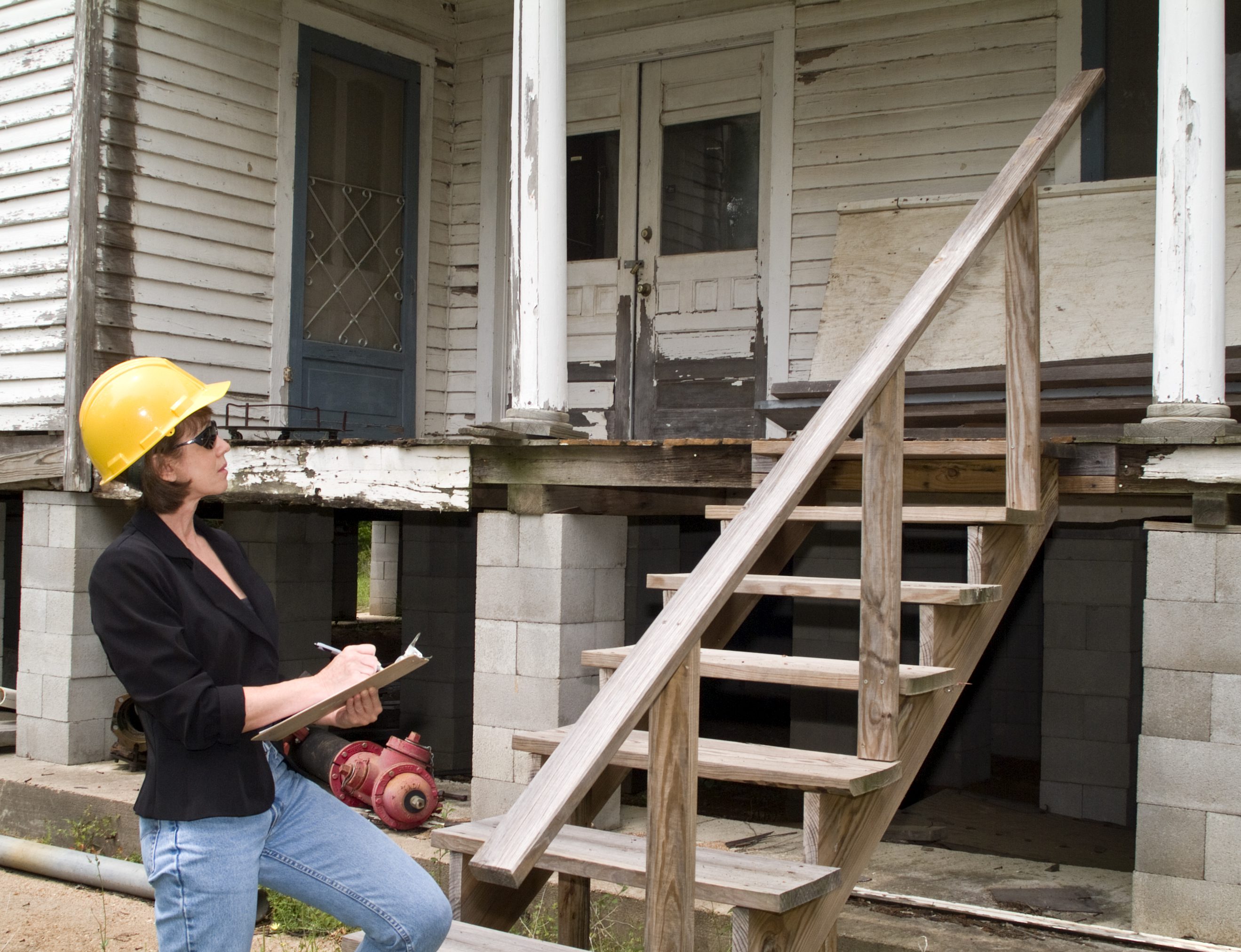
If you suspect your home contains these materials, the safest initial step is to leave the area completely alone. Do not scrape, sand, saw, or attempt to tear down any questionable building surfaces. Instead, coordinate a professional environmental inspection to safely sample the materials and assess structural risks.
Trust Local Field Specialists
Our certified remediation teams at AMA Environmental deliver meticulous testing, secure containment setups, and legal hazardous waste disposal to keep your family protected. Contact Our Local Office Team Today to arrange a certified inspection and ensure your home environment remains completely safe.