The Science of Indoor Mold: Identification, Risks, and Prevention
More Than a Cosmetic Issue
Indoor mold growth is far more than an ugly, unappealing cosmetic blemish on walls or ceilings. Fungi are living, opportunistic organisms that continuously look for damp, organic substrates to consume and colonize. Inside properties, they feed aggressively on cellulose-rich materials like drywall paper, structural wood studs, and carpet backings.
How Microscopic Spores Germinate
Fungal spores exist naturally in almost all ambient outdoor air columns at low, manageable levels. However, when these floating particles land on a wet surface inside an enclosed room, they germinate within 48 hours. Once established, active colonies release millions of new microscopic spores into your indoor air.
Health Impacts of Indoor Spores
Inhaling these concentrated indoor air particles frequently triggers an array of adverse physical reactions in sensitive occupants. Vulnerable individuals often experience persistent sneezing, watery eyes, skin rashes, and severe respiratory congestion. Prolonged exposure to toxic black mold strains can introduce dangerous mycotoxins directly into your breathing zones.
High-Risk Structural Damp Zones
Certain high-risk zones inside residential properties are uniquely prone to experiencing severe fungal infestations. Subterranean basements, tight crawlspaces, unvented bathrooms, and hot attics regularly suffer from poor airflow and elevated humidity. Monitoring these target spaces closely allows property owners to intercept hidden growth before colonies spread.
Key warning signs that indicate a hidden fungal problem inside your property include:
- Musty, Earthy Odors: Persistent, damp smells that remain active even after deep surface cleaning.
- Discolored Wall Surfaces: Soft gray, green, black, or fuzzy white patches spreading on building materials.
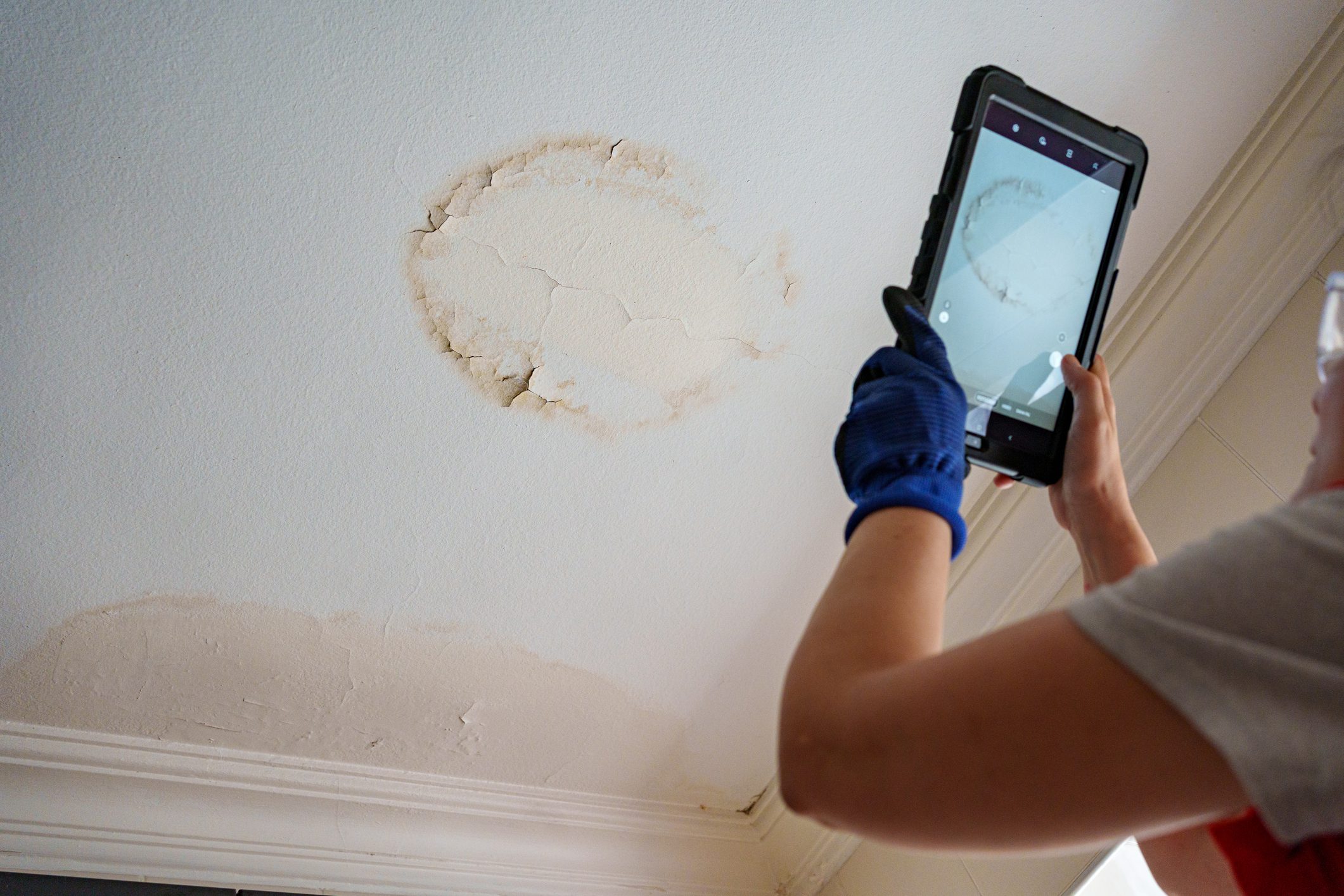
- Water Stains: Dark rings or peeling wallpaper indicating an active behind-the-wall plumbing leak.
- High Humidity Levels: Persistent condensation pooling on interior window glass or metal trim frames.
Resolving the Underlying Moisture Source
Effectively managing indoor fungal growth requires a dedicated focus on eliminating structural moisture sources permanently. Bleach or surface scrubbing alone will never solve a deep, underlying mold issue if walls remain damp. True remediation requires correcting plumbing leaks, clearing roof vents, and maintaining indoor humidity below fifty percent.
The Value of Negative Air Containment
Tackling large-scale fungal infestations without professional structural containment walls often spreads spores throughout your entire property. Professional remediation crews build airtight plastic chambers and deploy negative air machines to filter out airborne pathogens safely. This engineering control guarantees that dangerous particles are extracted without contaminating neighboring rooms.
Act Early to Prevent Fungal Decay
If you discover a large area of fuzzy growth or suspect hidden colonies are hiding behind cabinets, take action quickly. Leaving moisture issues unaddressed allows root networks to destroy building timber and permanently ruin your indoor air quality.
Secure an on-Site Fungal Assessment
The certified indoor specialists at AMA Environmental utilize state-of-the-art containment, structural drying equipment, and eco-friendly antimicrobials to restore your home. Contact Our Service Desk right away to secure a comprehensive fungal evaluation and protect your property.