Managing Structural Water Intrusions: Extraction, Classification, and Drying
The Urgency of Water Intrusion
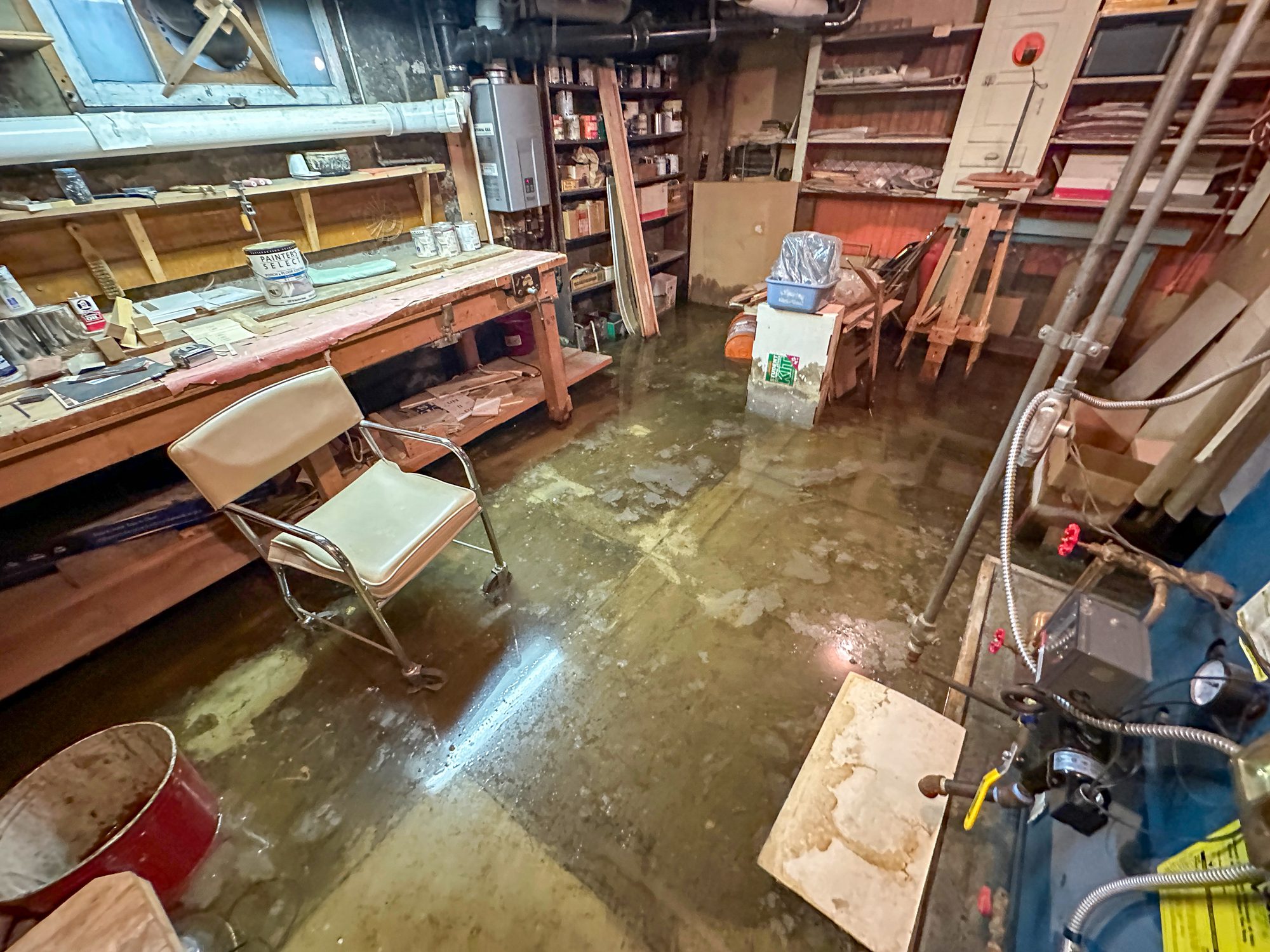
Structural water damage is an urgent property crisis that demands immediate, highly organized intervention. Whether caused by a sudden bursting plumbing line or severe weather flooding, water degrades building stability every minute it sits. Unchecked moisture warps floorboards, dissolves drywall cores, and sparks rapid mold growth within hours.
The Three Technical Water Categories
Professional restoration teams classify incoming water events into three distinct technical categories based on cleanliness and health risks. Category One represents clean water from broken supply lines, which poses minimal immediate biological danger. Category Two involves greywater with minor contaminants, while Category Three contains dangerous, biohazard-rich black sewage water.
Dictating Safe Site Protocols
Understanding these clear distinctions dictates the exact safety protocols and protective gear required for cleanup crews. Clean water requires rapid mechanical extraction and targeted air movement to preserve existing materials. Conversely, category three blackwater contamination mandates the complete removal and disposal of all porous structural fabrics.
Uncovering Hidden Structural Moisture
Porous building substrates absorb moisture rapidly through capillary action, pulling water deep into hidden structural cavities. This migration means that while your surface drywall might feel completely dry, inner wall studs can remain trapped in stagnant moisture. Measuring these hidden zones requires specialized moisture meters and infrared thermal cameras.
Critical phases of a professional structural water damage restoration project include:
- Rapid Water Extraction: Utilizing high-capacity truck-mounted vacuum pumps to pull bulk water from floors.
- Targeted Demolition: Removing completely saturated, non-salvageable materials like carpet padding and wet baseboards.
- Industrial Dehumidification: Deploying desiccant machines to pull deeply embedded moisture out of thick framing timbers.
- Continuous Moisture Tracking: Documenting daily relative humidity drops until structural drying standards are met.
The Danger of Secondary Mold Damage
Allowing damp structural materials to air-dry naturally without industrial equipment almost always results in secondary environmental damage. Trapped high humidity triggers widespread wood rot, structural framing buckling, and severe secondary mold blooms inside wall cavities. Deploying professional air movers ensures that moisture is evaporated safely from building materials.
Fast Response Controls Total Damage
Property owners can dramatically reduce overall restoration costs by responding within the first twenty-four hours of an initial breach. Shutting off the main water valve instantly stops the source of flooding and prevents unnecessary structural saturation. Once the flow is stopped, contacting a certified restoration team ensures safe, efficient drying.
Contact Our 24/7 Emergency Dispatch
Our experienced emergency crews at AMA Environmental deploy heavy-duty extraction pumps, industrial dehumidifiers, and thermal sensors to save your property from rot. Reach Out to our 24/7 hotline today to dispatch an emergency response team directly to your location.