Navigating Remediation Claims: Documentation, Coverage, and Approvals
Surviving the Insurance Filing Process
Filing a property insurance claim for unexpected environmental remediation or sudden water damage can feel incredibly overwhelming. Property owners often struggle to understand complex policy language while trying to manage an active property emergency. Knowing how to document damage properly can mean the difference between a fully covered claim and an expensive denial.
Sudden Accidents vs. Gradual Neglect
Most standard homeowner insurance policies cover water damage only if the event was sudden and entirely accidental. For example, a sudden burst pipe is typically covered, while years of unaddressed roof leaks are rejected as general wear. Environmental hazards like mold or asbestos often have strict sub-limits or require specific coverage riders.
Photographic Proof of Site Failures
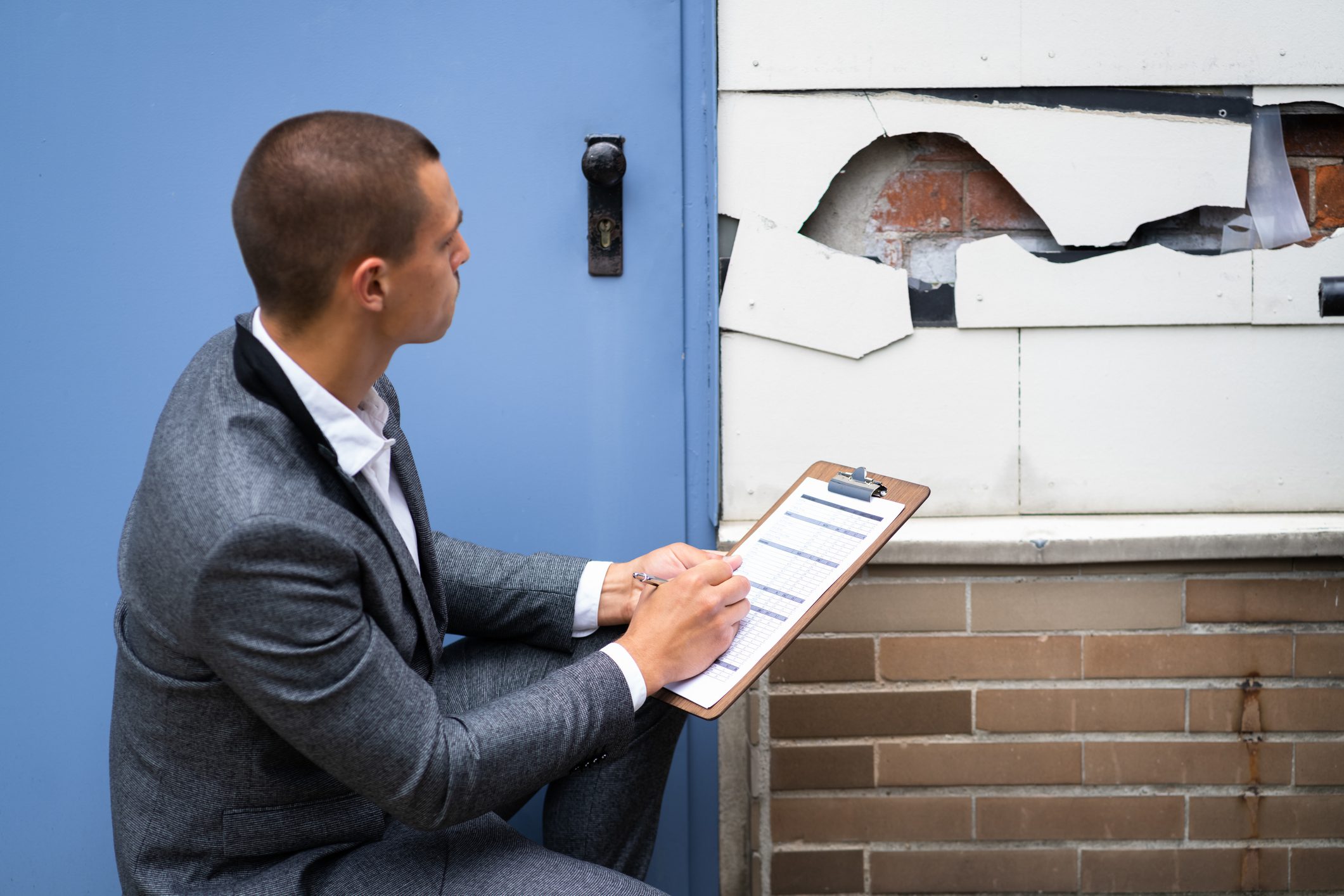
To maximize your chances of claim approval, thorough on-site photographic documentation must begin the moment damage is discovered. Take clear, wide shots of affected rooms along with close-ups of the broken pipe or damaged material. Avoid throwing away broken plumbing parts or ruined fixtures, as adjusters often need to inspect the failure source.
Essential steps to follow when organizing a successful property damage insurance claim include:
- Review Your Policy: Locate your declarations page to confirm specific deductibles and environmental hazard limits.
- Mitigate Further Loss: Take immediate action to stop active leaks and prevent secondary damage, as required by policies.
- Log Every Conversation: Record dates, times, names, and exact details for every discussion with insurance representatives.
- Request Detailed Estimates: Ensure all contractor quotes use standardized industry line-item pricing platforms like Xactimate.
Proving Active Mitigation Measures
Insurance adjusters regularly look for proof that the property owner took active steps to minimize the total loss. Hiring a certified restoration firm immediately to extract standing water provides clear evidence that you protected the asset. Professional crews provide digital moisture logs and structural drying profiles that claims adjusters require.
Protect Yourself From Unexpected Costs
Avoid signing generic contractor work authorizations that lack clear line-item breakdowns or transparent scope descriptions. Reputable firms work directly with your insurance adjuster, providing clear documentation to ensure a smooth approval process. This transparent approach protects you from unexpected out-of-pocket expenses once the project wraps up.
Streamline Your Claim Documentation
Our experienced project managers at AMA Environmental regularly coordinate with major insurance providers, providing full digital photo logs and transparent estimates. Contact Our Administration Office Today to get help organizing your property claim documents cleanly.